Dermatology Associates of Rochester
100 White Spruce Boulevard
Rochester, NY 14623
Phone: (585) 272-0700
Fax: (585) 272-8356
Mon–Fri: 8 a.m.–5 p.m.
Dermatology Associates of Rochester
,
Phone: (585) 272-9346
Fax: (585) 272-7592
Mon: 9 a.m.–5 p.m.
Tues, Wed, Thurs: 9 a.m.–7 p.m.
Fri: 9 a.m.–6 p.m.
Sat: 8 a.m.–12:30 p.m.
*Or after last appointment
Dermatology Associates of Rochester
,
Phone: (585) 697-1818
Fax: (585) 697-0822
Mon–Fri: 8 a.m.–5 p.m.
Allergy & Immunology
Dermatology Associates of Rochester provides comprehensive allergy and immunology care for infants, children, teens, and adults. Our allergists diagnose and treat environmental and seasonal allergies, asthma, food and medication allergies, hives, eczema, contact dermatitis, and other allergic and immunologic conditions.
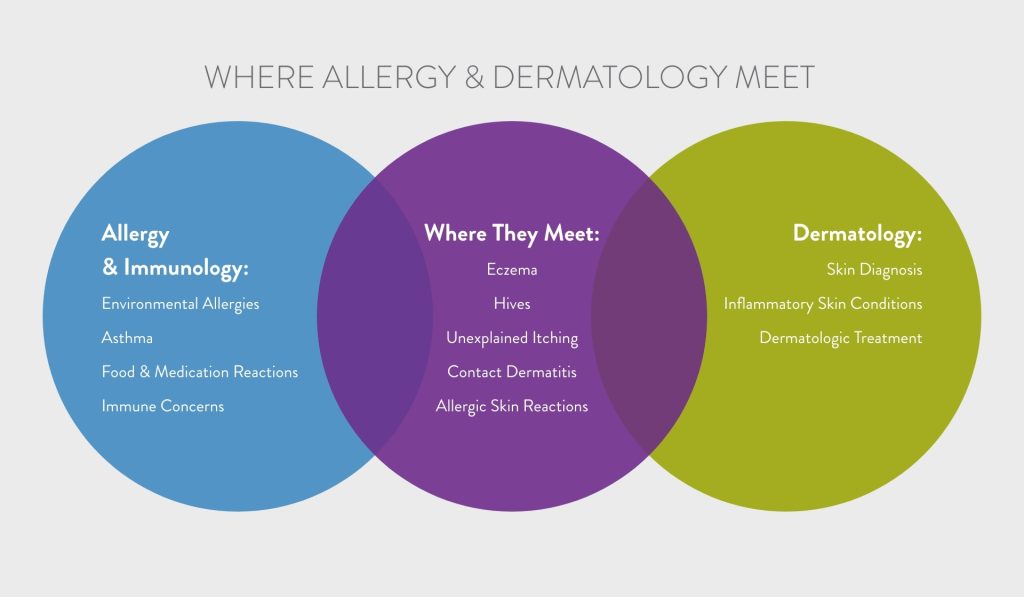
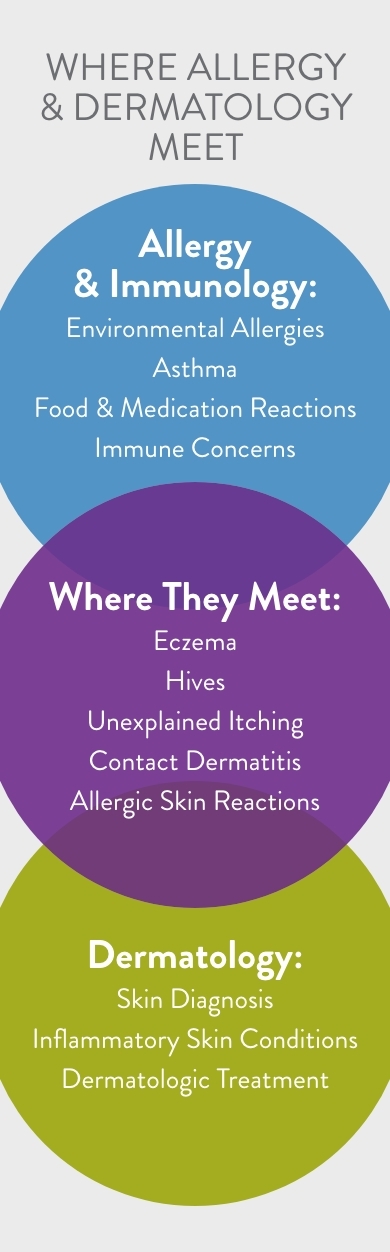
With Allergy & Immunology and Dermatology available within the same practice, patients can benefit from coordinated care for conditions that cross between these specialties.
When Should You See an Allergist?
Consider seeing one of our allergists if allergy, asthma, skin, or immune-related symptoms are persistent, hard to control, or interfere with daily life. An allergist can help identify possible triggers, determine whether an allergic or immunologic condition is contributing to your symptoms, and recommend appropriate treatment.
Sometimes a possible trigger seems clear, such as when a reaction occurs after eating a particular food. Other symptoms can be harder to link to a cause, especially when they come and go or don’t improve with over-the-counter treatment.
Common reasons to see an allergist at Dermatology Associates of Rochester include:
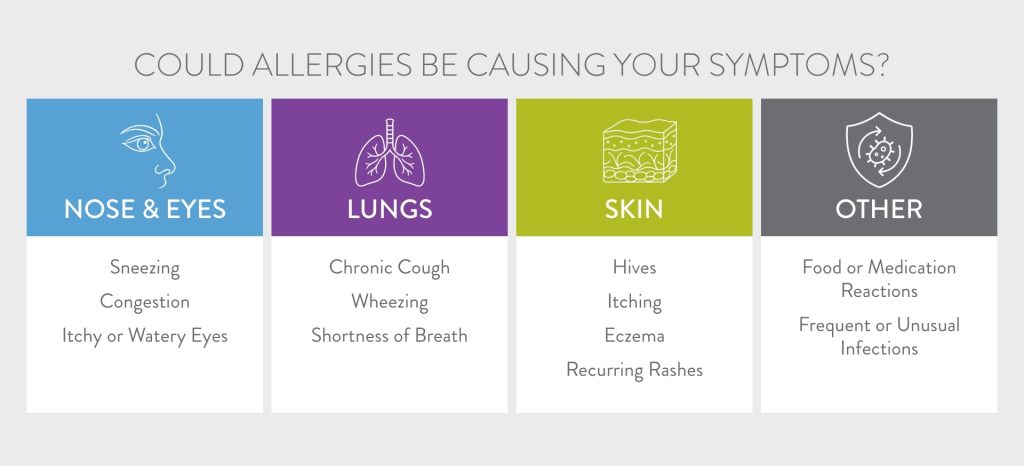
- Persistent sneezing, congestion, or itchy and watery eyes
- Seasonal symptoms that interfere with daily activities
- Chronic coughing, wheezing, or difficulty breathing
- Suspected food or medication reactions
- Recurrent hives or unexplained itching
- Eczema that is difficult to control
- Rashes that may be related to contact allergy
- Frequent or unusual infections
- Symptoms that persist despite over-the-counter treatment
- Interest in longer-term allergy relief through immunotherapy
An evaluation with one of our specialists can help clarify what may be causing your symptoms and what options are available to manage them.

What Conditions Do Our Allergists Treat?
At Dermatology Associates of Rochester, our allergists diagnose and treat a broad range of allergic and immunologic conditions affecting the respiratory system, skin, digestive system, and immune system. Allergy care is available for patients of all ages.
Specific conditions treated through our Allergy & Immunology program include:
- Environmental and seasonal allergies
- Allergic rhinitis
- Food allergies
- Medication allergies
- Asthma
- Hives and unexplained itching
- Eczema and atopic dermatitis
- Contact dermatitis and other allergic skin conditions
- Eosinophilic esophagitis
- Recurrent or unusual infections and possible immune-system disorders
Because symptoms can overlap among different conditions, an accurate diagnosis often requires a closer look at your specific history and potential triggers.
How Are Allergies Diagnosed?
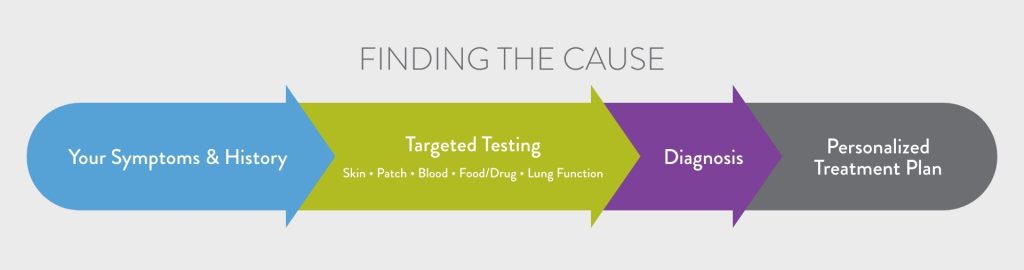
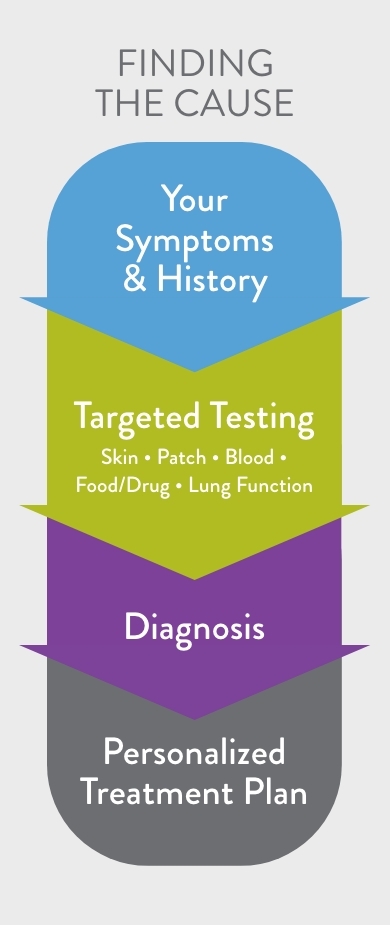
We select allergy testing based on your symptoms, medical history, and suspected triggers rather than using the same tests for every patient. Depending on your needs, testing may include skin or blood tests, food or medication testing, or lung function testing.
Our in-office diagnostic capabilities include:
- Skin-prick allergy testing
- Patch testing for allergic contact dermatitis
- Blood testing when clinically appropriate
- Food testing
- Limited drug testing
- In-office food challenges
- Spirometry, peak-flow assessment, and fractional exhaled nitric oxide (FeNO) testing for asthma
Your allergist will determine which tests can provide useful information for your individual situation. Some tests can take place during an initial appointment, while others require advance preparation or a separate visit.
How Are Allergies and Asthma Treated?
Allergy and asthma treatment is individualized according to your diagnosis, triggers, symptom severity, and other health considerations. Treatment can range from reducing exposure to known allergens and managing symptoms with medication to immunotherapy or advanced medications when clinically appropriate.
Depending on your needs, your treatment plan at Dermatology Associates of Rochester may include:
- Allergen avoidance and environmental recommendations
Over-the-counter or prescription medication management
Allergy shots, also called allergen immunotherapy
Sublingual immunotherapy (administered under the tongue)
Asthma treatment and ongoing management
Advanced or biologic medications (when clinically appropriate)
Coordinated treatment with dermatology for allergic skin conditions
For some patients, immunotherapy may provide longer-term allergy relief. Your allergist can explain whether allergy shots or sublingual immunotherapy may be appropriate for you.
How Can Allergy and Dermatology Work Together?
Allergy and dermatology can work together to evaluate and treat conditions such as eczema, chronic hives, unexplained itching, contact dermatitis, and other complex skin reactions. Having both specialties within Dermatology Associates of Rochester allows physicians to collaborate more directly when a condition has both dermatologic and allergic or immunologic components.
Skin symptoms don’t always fit neatly within one specialty. A persistent rash, for example, may require dermatologic evaluation while also having a possible allergic or immunologic component. Rather than being referred elsewhere, you can be evaluated by both specialists within the same practice.
By bringing these specialties together, we streamline the process of coordinating testing, treatment, and specialist input when these components are all relevant to your care. This means fewer appointments and a faster path to an accurate diagnosis.
Meet Our Allergy & Immunology Team
Dermatology Associates of Rochester’s Allergy & Immunology team includes 3 physicians who provide broad-based allergy and immunology care for patients of all ages. Their combined experience brings particular strengths in allergic skin disease and pediatric care.
Anitha Shrikhande, MD, MPH, is a board-certified allergy and immunology specialist with more than 20 years of clinical experience caring for adults and children. She has particular expertise in contact dermatitis and allergic skin disease and enjoys treating conditions that cross the spectrum of dermatology and allergy. Her clinical interests include hives, asthma, allergic rhinitis, and other allergic and immunologic conditions. Dr. Shrikhande emphasizes listening, patient education, and individualized treatment based on current medical evidence.
Jennifer Battaglia, MD, MS, is an allergy and immunology specialist with a strong background in pediatric care. She completed her pediatrics residency and allergy and immunology fellowship at the University of Rochester Medical Center and provides comprehensive, evidence-based care tailored to each patient’s needs and goals. Her research has explored the relationship between atopic dermatitis and food allergy as well as patterns of food allergy presentation in infancy, complementing her experience caring for children, adults, and families.
Mehek Mehta, MD, provides comprehensive allergy and immunology care as a member of our Allergy & Immunology team.
Together, our allergists provide evaluation, testing, treatment, and ongoing management for a wide range of allergic and immunologic conditions.
What Can You Expect at Your First Allergy Appointment?
Your first allergy appointment at Dermatology Associates of Rochester will generally include a detailed medical history, discussion of your symptoms and possible triggers, a physical examination, and development of an individualized diagnostic and treatment plan. Testing may take place at this visit when appropriate, but some patients will return for testing at a separate appointment.
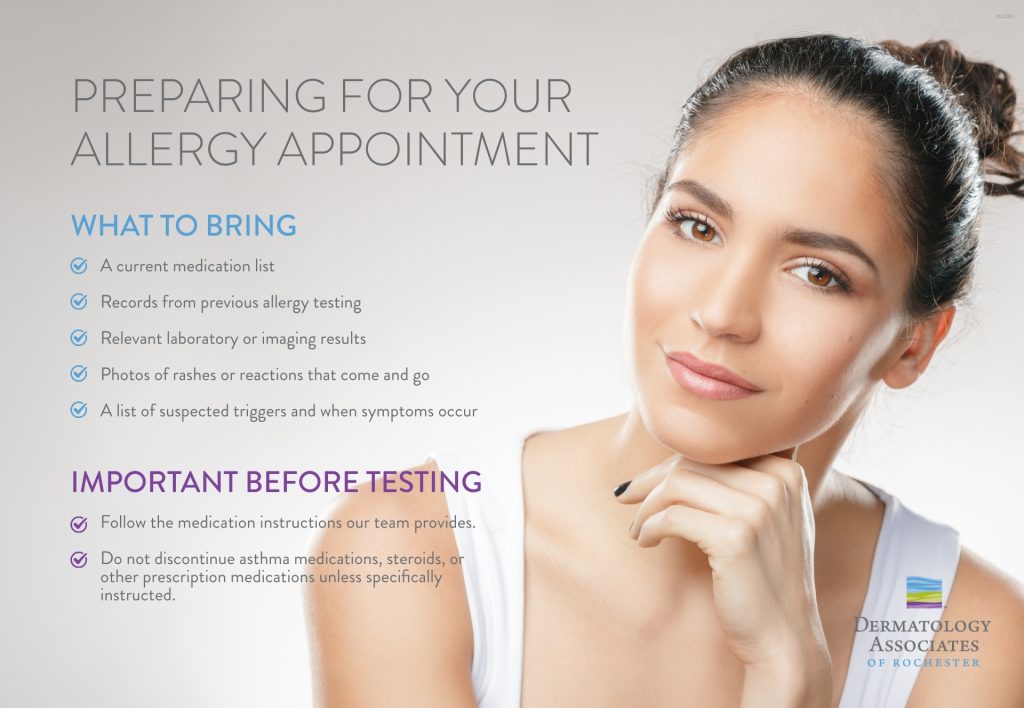
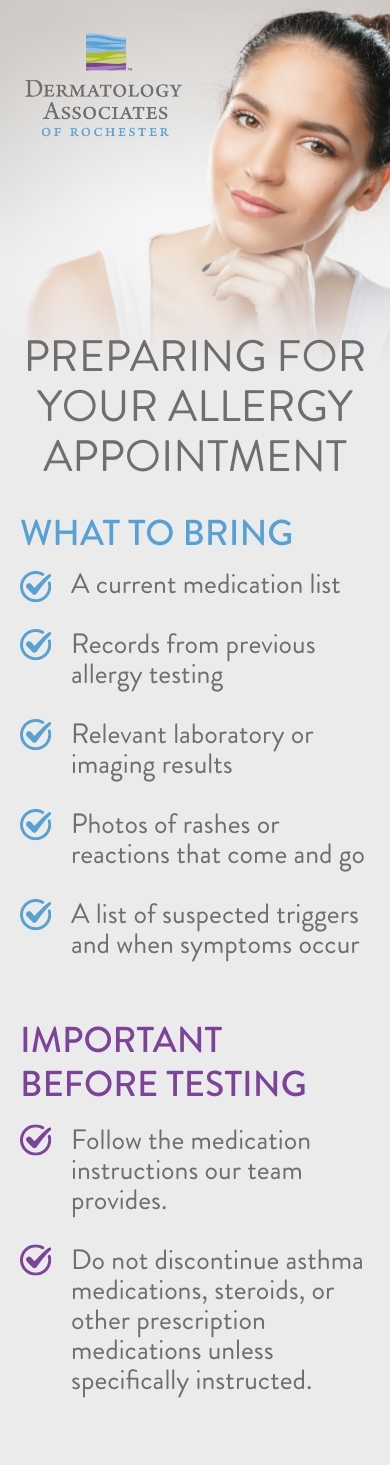
Whether we can perform testing immediately depends in part on the type of testing needed and whether you’ve completed any necessary preparation. Certain medications can interfere with some allergy tests.
Before a testing appointment, you’ll receive specific instructions about medications. Some antihistamines and related medications may need to be temporarily discontinued. However, you should not stop asthma medications, steroids, or other prescription medications unless you are specifically instructed to do so.
Schedule an Allergy Appointment in Rochester
Dermatology Associates of Rochester is currently accepting new allergy and immunology patients. Most patients can schedule directly without a physician referral, although some insurance plans may require one.
Our team offers timely access to allergy care for patients and families throughout the Rochester area. If your insurance plan requires referrals for specialty care, please verify its requirements before scheduling.
Call our office today at (585) 272-0700 or request a consultation using the online form.