
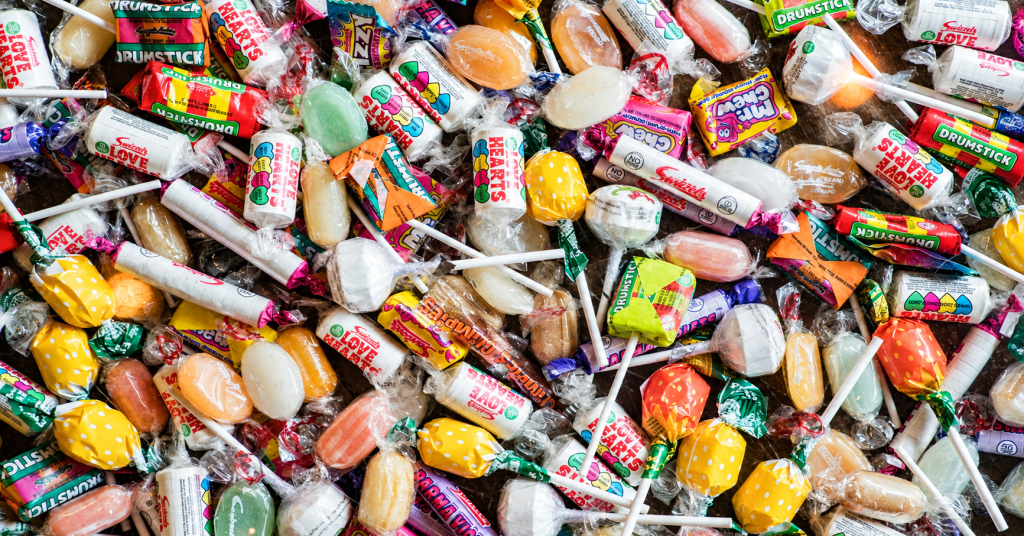
Halloween should be about costumes, candy and a little spooky fun, not worrying about an allergic reaction. But for parents of children with food allergies, that trick-or-treat bag can bring some extra concerns.
The good news? With a little planning, kids with food allergies can still enjoy Halloween traditions while reducing the risk of accidental exposure to allergens.
How can you keep Halloween safe for a child with food allergies? Check every candy label, establish a rule about eating treats, plan ahead for parties, offer safe candy swaps, seek out non-food treats and have an allergy emergency plan. Here are six practical tips to help your family celebrate with more confidence.
1. Check Every Candy Label, Even Familiar Favorites
That favorite candy your child has enjoyed before? Don’t assume it’s safe this time.
Halloween-sized candies sometimes have different ingredients or manufacturing processes than their full-sized counterparts. Recipes and manufacturing practices can also change.
Common food allergens that may appear in Halloween treats include peanuts, tree nuts, milk, wheat, soy, eggs and sesame. Before allowing your child to eat any candy:
- Read the ingredient list and allergen information on the actual package.
- Check fun-sized and seasonal versions separately.
- Don’t assume a candy is safe simply because it was safe last year.
- If labeling is missing or you cannot verify the ingredients and cross-contact risks, skip that treat.
Remember, a missing “may contain” warning doesn’t necessarily mean a product is free from allergen cross-contact.
Parent tip: Keep a small supply of treats you already know are appropriate for your child. That way, there’s always something sweet to enjoy if other candy is off-limits.
2. Make a “No Eating Until We Check” Rule
We know. Asking an excited trick-or-treater to resist a bag full of candy isn’t easy!
But one of the simplest ways to reduce the risk of an allergic reaction is to establish a family rule: All Halloween candy gets checked by a parent or caregiver before anyone takes a bite. This means no sneaking treats between houses, swapping candy with friends or sampling mystery goodies from a party bowl.
Explain the rule ahead of time and keep the message positive. The goal isn’t to make Halloween scary. It’s to help your child develop good habits for managing food allergies.
3. Plan Ahead for Parties and Trick-or-Treating
Whether you’re heading through your neighborhood or attending a school Halloween party, a little planning can make a big difference.
If your child has diagnosed food allergies, talk with teachers, party hosts and caregivers beforehand. Ask what foods will be served and if you can provide an good alternative.
For younger children, consider bringing preapproved treats and explaining which foods are off-limits. Older children can practice asking about ingredients and recognizing when they need to check with an adult.
Parent tip: Pack a few safe snacks before leaving home to help your hungry trick-or-treater resist tempting treats.
4. Make Candy Swapping Part of the Fun
Just because your child collects candy doesn’t mean they have to eat everything in the bag. Create a fun tradition that allows children to exchange candy for something special.
Some families introduce a “Switch Witch” who visits after Halloween and exchanges unsafe candy for a small toy, book or other surprise. Others offer a candy trade-in for an approved treat, a family activity or extra privileges.
The key is to make the exchange something your child looks forward to rather than something that feels like a punishment. Halloween is about the experience, after all – not just the candy.
5. Look for Teal Pumpkins and Put Out Your Own
Have you noticed teal-colored pumpkins appearing on doorsteps around Halloween?
They’re part of the Teal Pumpkin Project, an initiative from Food Allergy Research & Education (FARE) that encourages households to offer non-food treats for children with food allergies and other dietary restrictions.
A teal pumpkin signals that a home has alternatives such as Halloween stickers or temporary tattoos, glow sticks or bracelets, crayons or pencils, and small age-appropriate holiday toys. These options can make trick-or-treating more inclusive for children who cannot enjoy traditional candy.
Want to participate? Place a teal pumpkin outside your home and offer non-food treats in a separate bowl from candy.
You can also explore the 2026 Teal Pumpkin Project Map to find participating homes.
6. Be Prepared for an Allergic Reaction
Even with the best planning, accidental exposure can happen.
If your child has a diagnosed food allergy, make sure you have their prescribed emergency medications ready and that supervising adults know how and when to use them. Children at risk for anaphylaxis should have a personalized Food Allergy & Anaphylaxis Emergency Care Plan.
Know the warning signs of a serious allergic reaction, which may include difficulty breathing, throat tightness, significant swelling, faintness or repeated vomiting.
If anaphylaxis is suspected, administer epinephrine immediately as directed by your child’s emergency care plan and call 911. Remember, antihistamines such as Benadryl are not a substitute for epinephrine in treating anaphylaxis.
For more information, visit FARE’s Food Allergy Emergency Care Plan resource.
Questions About Your Child’s Food Allergies? DAR Can Help.
If you’re concerned about possible food allergies, unexplained reactions or how to manage an existing allergy, the experts at Dermatology Associates of Rochester (DAR) are here to help.
Our Allergy & Immunology team provides comprehensive care for infants, children, teens and adults, including food allergy evaluation, testing when appropriate, and individualized treatment and management guidance.
New pediatric and adult allergy appointments are available. Call (585) 272-0700 to schedule an appointment, or learn more about DAR’s Allergy & Immunology services.
Dermatology Associates of Rochester | 100 White Spruce Boulevard, Rochester, NY 14623
This article provides general educational information and is not a substitute for individualized medical advice or emergency care.
Frequently Asked Questions About Halloween and Food Allergies
Are fun-sized Halloween candies different from regular-sized candy?
They can be. Some miniature or seasonal candies have different ingredients, packaging or manufacturing processes than their full-sized versions. Always check the specific product rather than assuming it’s safe based on another size.
What does a teal pumpkin mean on Halloween?
A teal pumpkin outside a home indicates that non-food treats are available for trick-or-treaters. It’s part of the Teal Pumpkin Project, which helps make Halloween more inclusive for children with food allergies and other conditions.
What if I suspect my child has a food allergy but they haven’t been tested?
If your child has experienced symptoms after eating a particular food, an allergist can review their reaction history and determine whether allergy testing is appropriate. Not every reaction is a food allergy, and testing should be guided by symptoms and medical history. Don’t deliberately reintroduce a food suspected of causing a serious reaction without medical guidance.
Leave a Reply